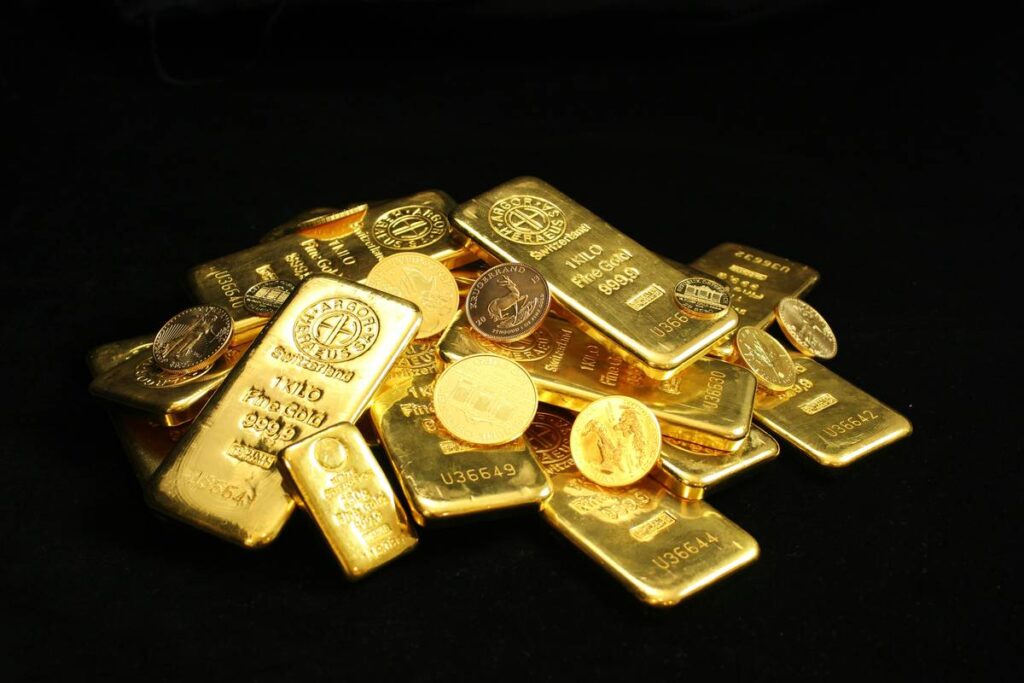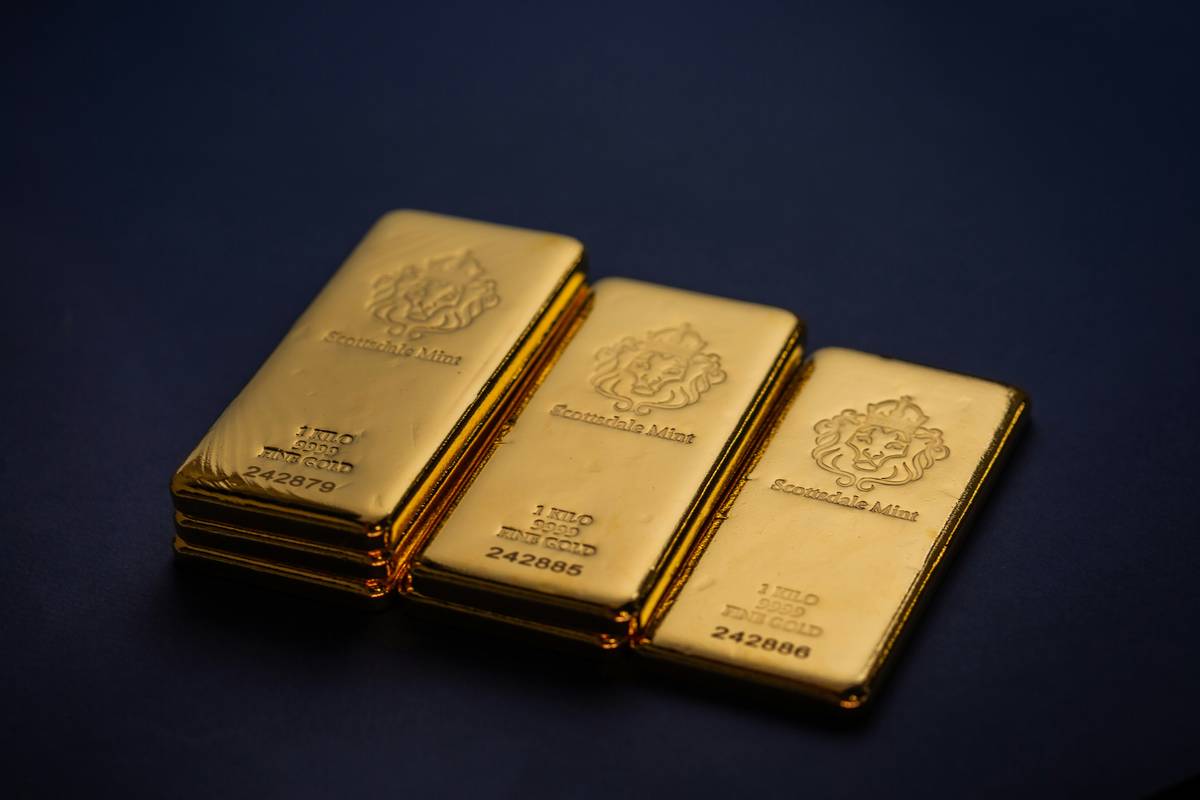
You’ve got old jewelry, broken chains, or dental crowns gathering dust. You know it’s “gold”—but when you try to sell it, offers come back shockingly low. Why? Because scrap gold to pure gold isn’t a simple swap. Most buyers exploit confusion around purity, weight, and refining costs. And they count on you not knowing the difference between 10K and 24K—or how much you’re really owed.
Why Most People Lose Money Selling Scrap Gold
The system is rigged—not illegally, but by design. Pawn shops, mail-in buyers, and even local “gold parties” operate on razor-thin transparency. They quote you a price based on *their* assumed purity (often lower than reality) and deduct “refining fees” that can erase 20–30% of your value before you blink.
And here’s the kicker: many sellers don’t even test your gold properly. They use acid tests that degrade accuracy after repeated use—or skip testing altogether and apply worst-case assumptions. You walk away thinking you got a fair deal. You didn’t.
Converting scrap gold to pure gold: A Realistic Step-by-Step Guide
Forget “instant cash” traps. Real value comes from knowledge and control. Follow this process—no fluff, just field-tested steps.
Step 1: Identify & Sort by Karat
Check every piece for hallmarks: “10K”, “14K”, “18K”, or “750” (European for 18K). No stamp? Don’t assume it’s worthless—it might be vintage or foreign. But treat unstamped items as suspect until verified.
Step 2: Weigh Accurately—in Troy Ounces
Your kitchen scale lies. Use a digital scale calibrated to 0.01 grams. Convert grams to troy ounces (1 troy oz = 31.1035 grams). Precision here prevents underpayment later.
Step 3: Calculate Melt Value Yourself
Multiply weight by fineness (e.g., 14K = 0.585) to get pure gold content. Then multiply by the live spot price. That’s your baseline. Any offer below 85% of this? Walk away.
Step 4: Choose the Right Buyer
Not all refiners are equal. Reputable ones provide assay reports and pay within days—not weeks. Avoid middlemen; go direct to refiners who publish their payout structure upfront.

| Selling Method | Payout % of Melt Value | Fees | Time to Payment |
|---|---|---|---|
| Pawn Shop / Local Gold Buyer | 60–75% | Hidden refining deductions | Immediate (cash) |
| Mail-In Service | 70–80% | Shipping + possible assay fee | 7–21 days |
| Direct Refiner (e.g., specialty precious metals dealer) | 85–95% | Transparent refining charge (if any) | 3–10 days |

The Industry Secret: Refiners Prefer Your Impure Gold
Here’s what no one tells you: reputable refiners actually *want* mixed-karat scrap. Their smelters are calibrated to handle alloys efficiently. The more consistent your batch (e.g., all 14K), the easier—and cheaper—it is for them to refine. That efficiency translates into higher payouts for you.
But—and this is critical—they need volume to make it worthwhile. If you only have 5 grams, you’ll get pawn-shop rates no matter where you go. So pool with family members. Collect over time. Or partner with local jewelers who accumulate filings and sweeps. Scale changes everything.
Frequently Asked Questions
What’s the difference between scrap gold and pure gold?
Scrap gold is any unwanted item containing gold—jewelry, electronics, dental work—usually alloyed with other metals. Pure gold is 24K (99.9% fine), the standard for bullion and investment.
Can I convert scrap gold to pure gold at home?
No. Home “refining kits” are dangerous and ineffective. Real purification requires high-temp smelting and chemical assays only licensed facilities can perform safely and legally.
How much do refiners typically pay for scrap gold?
Top-tier refiners pay 85–95% of the actual pure gold content value after confirming weight and purity via XRF or fire assay—far above pawn shop rates.