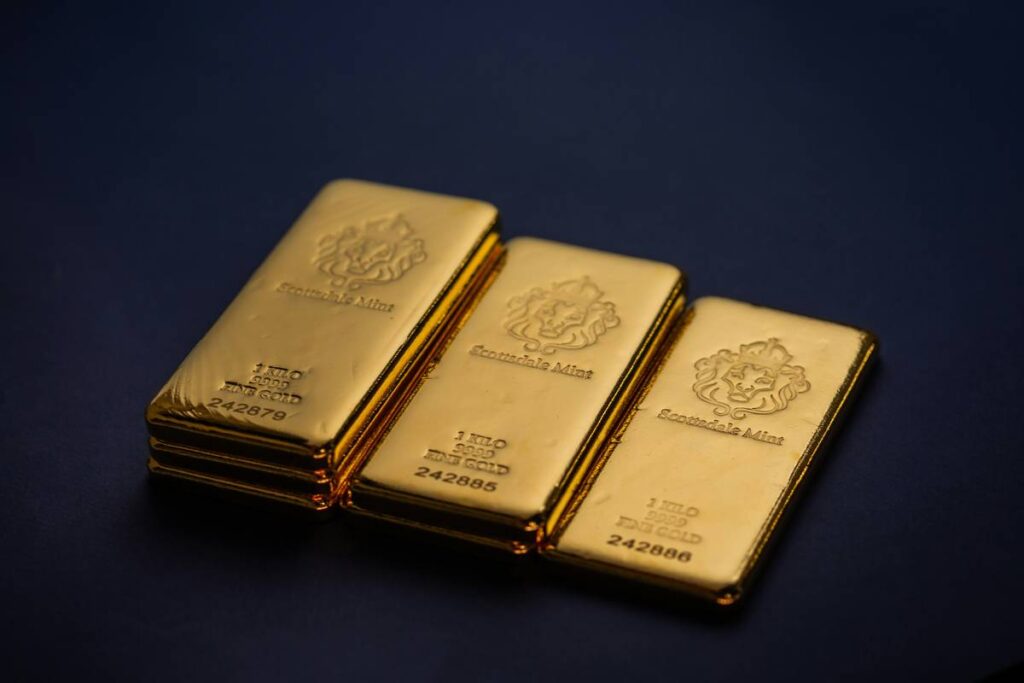
You’ve got gold, silver, or platinum lying around—but you don’t even know it. Old electronics? Tarnished jewelry? Dental crowns in a drawer? Most people walk past scrap precious metals daily without a second thought. And when they finally decide to sell, they get lowballed because they sourced from the wrong places. The solution isn’t just selling—it’s knowing where to find scrap precious metals before anyone else does.
Why You’re Leaving Money on the Table
Most sellers hit pawn shops or online mail-in buyers—and stop there. Bad move. These channels pay pennies on the dollar because they rely on volume, not value. They assume you don’t know your 14k from your 18k. Worse—they count on you missing unconventional sources entirely. Think industrial waste, obsolete medical devices, or vintage camera lenses coated in platinum. If your search starts and ends at grandma’s jewelry box, you’re operating blind.
Where to Find Scrap Precious Metals: Your Step-by-Step Blueprint
Forget “check your attic.” Real scavenging requires strategy. Here’s how pros uncover overlooked bullion-grade material—not just trinkets.
Reassess Household Junk with a Refiner’s Eye
That broken watch? Its movement may contain gold pins. Old circuit boards often hide palladium contacts. Even ceramic capacitors can bear silver traces. Don’t sort by nostalgia—sort by metal potential. Use a strong magnet: non-magnetic items containing yellow, white, or rose-hued metals are prime candidates.
Target Estate Sales & Industrial Liquidations
Estate sales in older neighborhoods frequently unload forgotten dental gold, lab equipment, or plating anodes. Industrial liquidation auctions—especially from defunct electronics or aerospace firms—are goldmines (literally). Look for lots labeled “obsolete,” “surplus,” or “as-is.” No one bids on them. You should.
Avoid the “Scrap Gold” Trap
Many buyers advertise “scrap gold” but reject anything under 10k or mixed alloys. Know your assayer. Some specialize in refining complex matrices—like e-waste or catalytic converters—that general buyers refuse. That rejection letter might just mean you contacted the wrong buyer, not that your material’s worthless.
| Source | Precious Metal Type | Avg. Purity Range | Typical Payout vs. Spot |
|---|---|---|---|
| Broken Gold Jewelry | Gold | 9k–18k | 70–85% |
| Old Circuit Boards | Gold, Palladium, Silver | 0.01%–0.5% total | 60–75% (after refining) |
| Dental Crowns/Bridges | Gold, Platinum, Palladium | Varies widely | 50–80% (alloy-dependent) |
| Catalytic Converters | Platinum, Rhodium, Palladium | 1–5 grams per unit | 65–85% |

The Industry Secret: “Negative-Value” Lots Are Your Best Bet
Here’s what no broker will tell you: sometimes, the most valuable scrap comes from materials others pay to discard. Companies dealing with hazardous e-waste or regulated medical components often classify precious-metal-bearing items as “negative-value assets”—they’ll pay you to take them away just to avoid disposal fees. One refiner I know scored 22 pounds of gold-laced connectors by offering free pickup to a bankrupt telecom firm. The kicker? He paid $0. Got it refined. Cleared $140K. This only works if you understand EPA guidelines and have a relationship with a certified smelter—but it’s legal, scalable, and almost never competed for.
Frequently Asked Questions
Can I find scrap precious metals in everyday electronics?
Yes. CPUs, RAM modules, and connectors often contain trace gold and palladium. Older tech tends to use higher concentrations than modern miniaturized parts.
Do pawn shops give fair prices for scrap gold?
Rarely. They price based on resale potential, not melt value. For pure scrap, go directly to a refiner or specialized buyer who pays by assay weight.
Where to find scrap precious metals in bulk legally?
Industrial liquidation auctions, licensed e-waste handlers, and estate cleanouts are top legal sources. Always verify chain-of-title documentation to avoid handling stolen goods.