You’ve got old jewelry, broken dental crowns, or electronic components gathering dust. You know they contain gold—but when you tried selling them, the offer felt insultingly low. That’s not a coincidence. Most buyers exploit confusion around waste and scrap of precious metal to pay pennies on the dollar. The good news? With the right approach, you can turn that trash into serious cash—without falling for outdated myths.
Why Most People Lose Money Selling Scrap Gold
The problem isn’t that your scrap lacks value. It’s that you’re playing a game with invisible rules. Pawn shops, mail-in services, and even “refineries” often quote prices based on outdated spot rates—or worse, deduct phantom “processing fees” that erase 30–50% of your payout. And many sellers don’t realize: not all gold is created equal. 10k, 14k, 18k—each has wildly different melt values. Yet buyers lump them together under vague terms like “gold-plated” or “low-grade alloy.”
Think about it: if you walked into a used car lot blindfolded, you’d get fleeced. Same principle here.
How to Sell Your waste and scrap of precious metal Like a Pro
Step 1: Know Exactly What You Have
Don’t guess. Use a jeweler’s loupe to find hallmarks (e.g., “585” = 14k). No stamps? Get a non-destructive XRF test—many local refiners offer this free. Weight alone means nothing without purity context.
Step 2: Separate by Karat—and Type
Mixing 24k dental gold with 10k chains slashes your return. Keep categories isolated: jewelry, dental scrap, electronics (gold fingers from circuit boards), and industrial residues. Each attracts different buyer premiums.
Step 3: Compare Real-Time Payouts—Not Just Spot Prices
Spot price is theoretical. What matters is the actual offer per gram after deductions. Reputable refiners publish live buy-back rates online. Always ask: “Is this the final payout after assaying?” If they hesitate—walk away.
| Selling Method | Avg. Payout (% of Melt Value) | Fees/Deductions | Best For |
|---|---|---|---|
| Pawn Shops | 30–50% | High margin hidden in lowball offers | Emergency cash only |
| Mail-In Kits | 60–75% | Assay fee ($15–$30), shipping, refining cut | Small quantities (<50g) |
| Local Refiners (by appointment) | 85–95% | Transparent assay fee (often waived over 100g) | Serious sellers with verified scrap |
| Auction Platforms (e.g., eBay lot sales) | Varies wildly | Listing fees, buyer risk, time cost | Rare/collectible pieces—not pure scrap |
The Industry Secret: Timing Your Sale Around Refinery Cycles
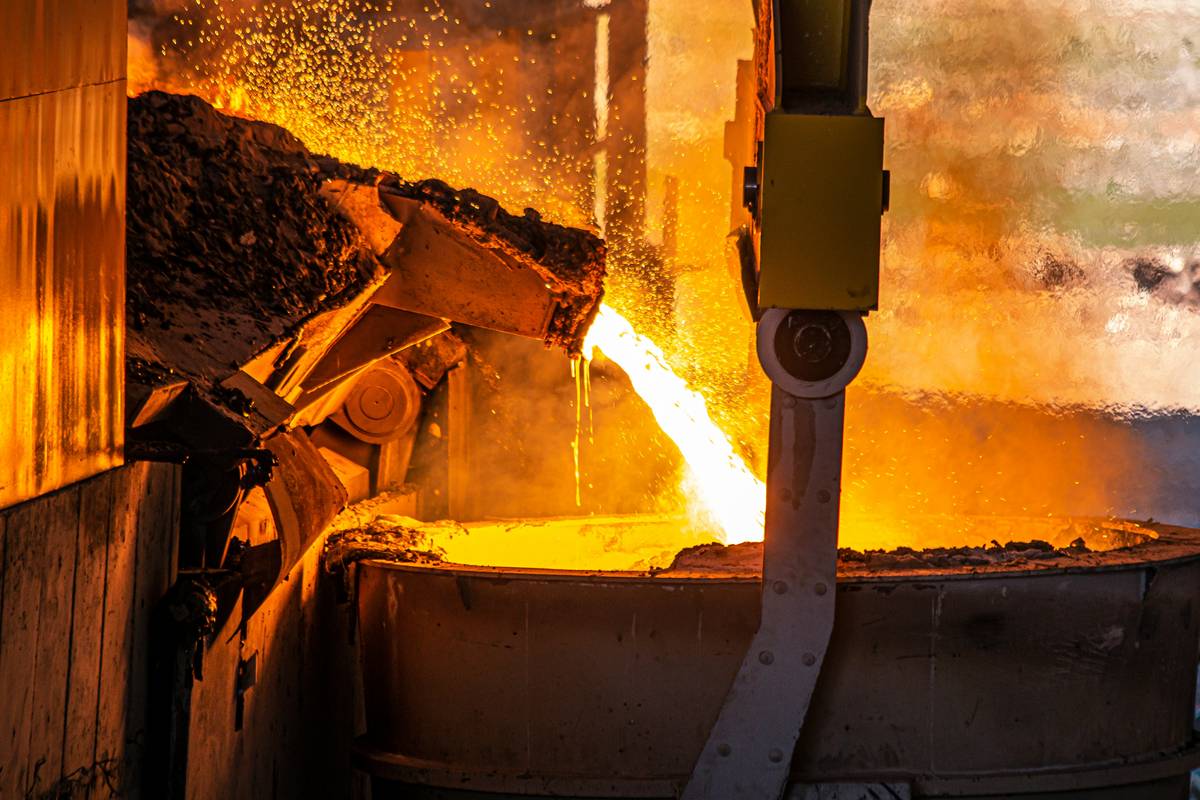
Here’s what no buyer will tell you: refineries operate in batches. They buy aggressively just before their smelting runs—usually late quarter (March, June, September, December). During those windows, competition among refiners spikes. Smart sellers call three vendors simultaneously and say: “I have 300 grams of 14k scrap ready to drop off today. What’s your best locked-in rate?” Suddenly, you’re negotiating from power—not desperation.
And—this is critical—never accept a verbal quote. Demand a written offer valid for 24 hours. One client of mine used this tactic last November and walked away with $1,200 more than the initial “standard” offer. The math is simple: information asymmetry favors the informed.
Frequently Asked Questions
Is selling scrap gold worth it?
Yes—if you have over 20 grams of verifiable gold (10k+). Below that, fees often erase profit. Always test first; costume jewelry rarely contains real gold.
What documents do I need to sell scrap gold?
In the U.S., federal law requires photo ID and a signed seller form. Reputable buyers log transactions to comply with anti-money laundering rules. No paperwork = red flag.
Can I sell gold-plated items as scrap?
Barely. Plating holds negligible value—refiners typically reject it or pay near-zero. Focus on solid karat items. When in doubt, scratch-test inconspicuously or use an acid kit.