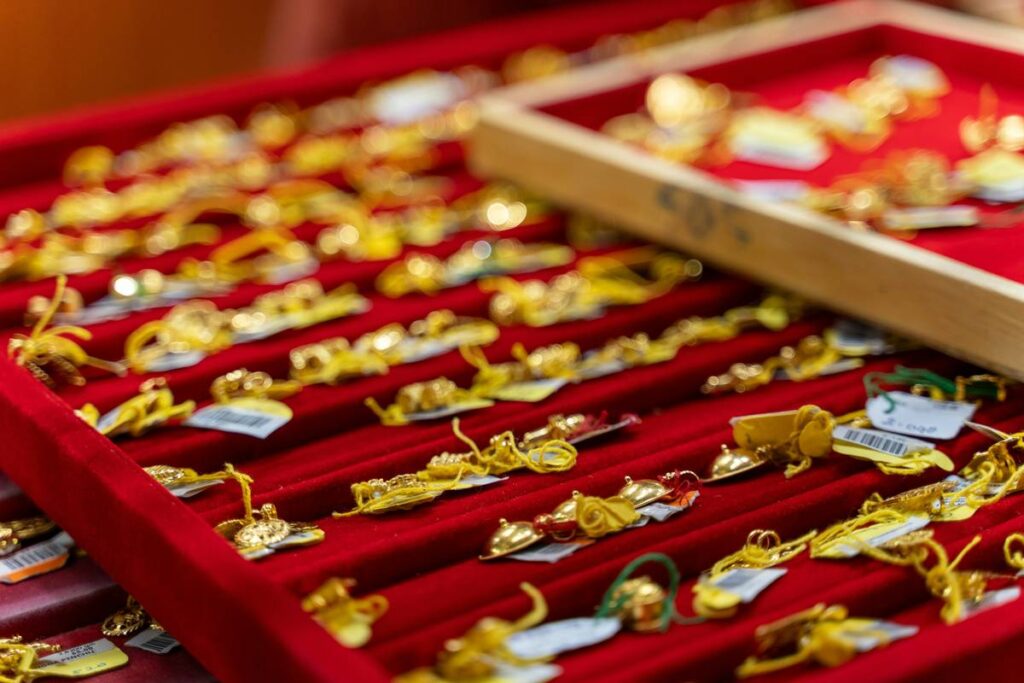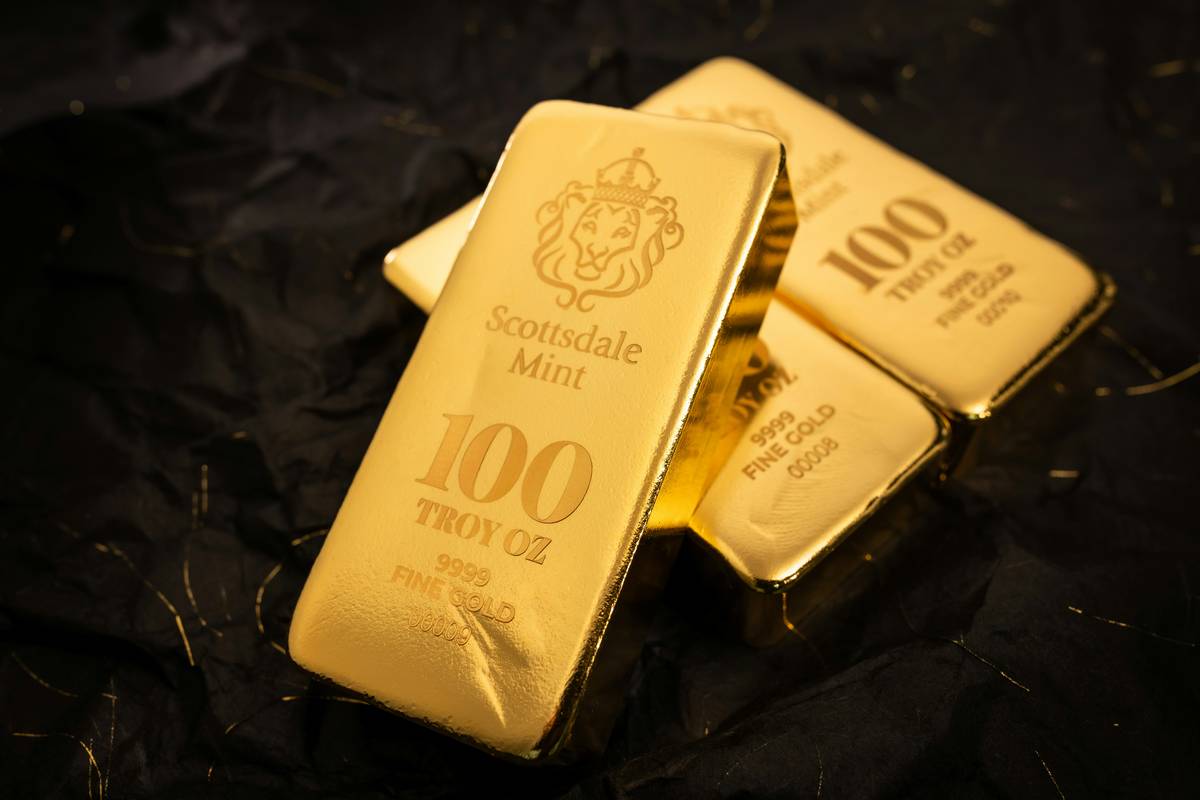
Ever dug through an old jewelry box and wondered if those broken chains and mismatched earrings could fund your next investment? You’re not alone. Millions overlook the hidden value in scrap gold—only to sell for pennies on the dollar or miss smart reinvestment opportunities. This guide cuts through the noise with actionable steps, real-world mistakes (yes, I’ve made them too), and data-backed strategies to turn unused gold into serious financial leverage. Whether you’re clearing clutter or building a precious metals portfolio, you’ll learn exactly how selling scrap gold how to invest works without getting scammed or shortchanged.
Table of Contents
- Why Scrap Gold Matters in Personal Finance
- Step-by-Step Guide to Selling and Reinvesting
- Best Practices for Maximizing Value
- Real Results: Case Studies
- Frequently Asked Questions
Key Takeaways
- Always verify buyer credentials—many “gold buyers” offer far below market rates.
- Karat purity drastically affects payout; know what you own before selling.
- Reinvesting proceeds into diversified precious metals hedges against inflation.
- Avoid cash-only deals with no documentation—they void consumer protections.
- The U.S. Mint reports gold prices rose over 13% in 2023, making strategic reinvestment timely.
Why Scrap Gold Matters in Personal Finance
Scrap gold isn’t junk—it’s dormant capital. According to the World Gold Council, over 25% of annual gold demand comes from recycled sources, proving its ongoing market relevance. Yet most individuals sell impulsively during emotional moments (divorce, estate cleanouts) or accept mall kiosk offers paying 30–50% below spot price. I learned this the hard way: after my grandmother passed, I sold her wedding band at a local pawn shop for $180. Later, I discovered it was 14K and worth nearly $400 based on that day’s spot price. That painful lesson taught me that selling scrap gold how to invest isn’t just about liquidation—it’s about informed transition.
Step-by-Step Guide to Selling and Reinvesting
1. Inventory and Assess Your Gold
Sort items by karat stamp (10K, 14K, 18K, 22K). Use a magnet test—real gold won’t stick. Note any hallmarks or assay marks indicating origin or purity.
2. Get Multiple Quotes
Use online refiners like Kitco or local accredited buyers listed by the Better Business Bureau. Never rely on one offer. Reputable buyers base quotes on the live spot price minus a refining fee (typically 10–20%).
3. Verify Buyer Credentials
Check if they’re members of the National Association of Gold & Silver Buyers. Avoid businesses with unresolved BBB complaints.
4. Secure Payment and Documentation
Insist on a written receipt detailing weight, karat, payout per gram, and total amount. Cash deals without paperwork are red flags.
5. Decide Your Reinvestment Strategy
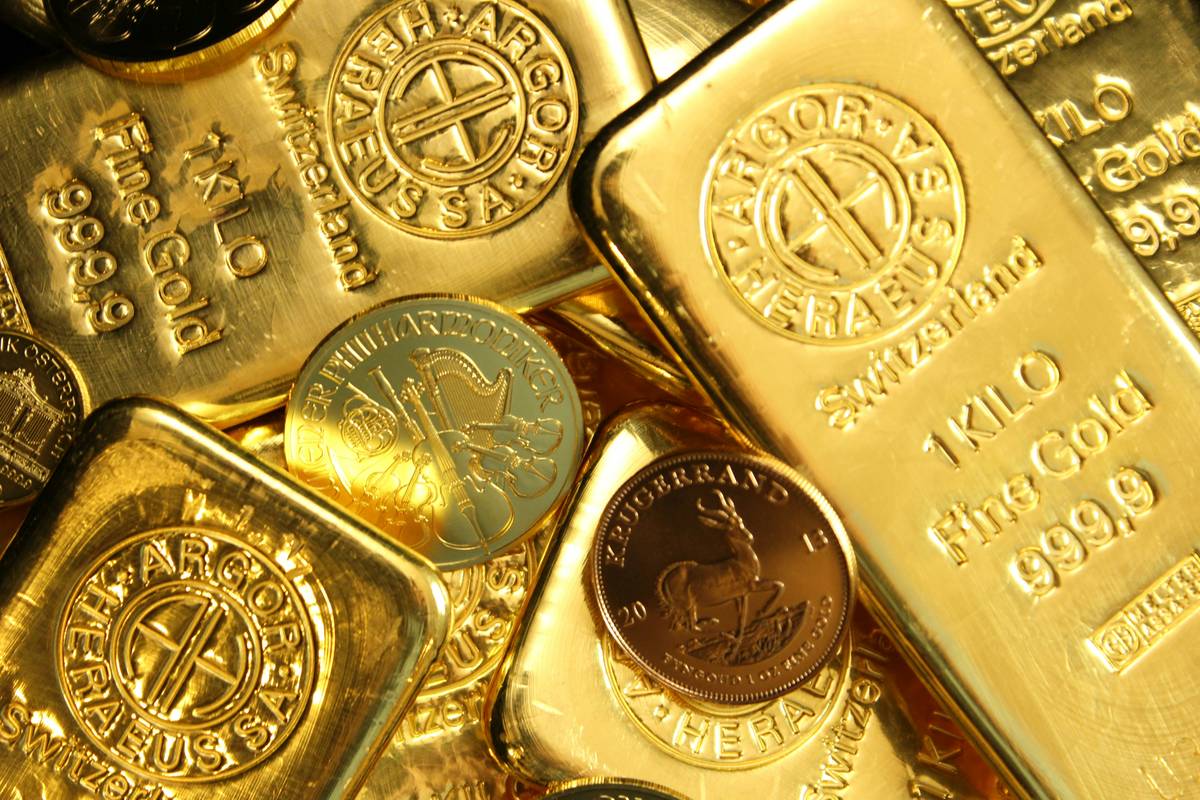
Consider ETFs like GLD, physical bullion from trusted dealers, or allocating funds toward retirement accounts. The U.S. Mint (usmint.gov) provides current bullion pricing and investor resources.
Best Practices for Maximizing Value
- Time your sale: Gold often peaks in Q1 due to seasonal jewelry demand.
- Clean gently: Use mild soap—never abrasive cleaners that damage surface gold.
- Bundle wisely: Sellers pay more for larger lots; combine items from friends/family if possible.
- Avoid “we buy gold” mailers: These frequently target vulnerable seniors with predatory offers.
- Track spot prices: Use free tools like GoldPrice.org to monitor trends daily.
Real Results: Case Studies
In 2023, Maria from Ohio sold 42 grams of mixed 14K scrap through a certified refiner after comparing three quotes. She netted $2,100—$600 more than her initial pawn shop offer. She reinvested 70% into American Gold Eagles and kept 30% as emergency cash. Within six months, her bullion gained 9% in value, per Kitco data. Contrast this with James, who took a cash offer from a mall kiosk: he received $800 for the same weight but had no recourse when the buyer later claimed his items were “lower grade.” Always prioritize transparency over speed. For more on secure practices, see our About Us page, where we detail our commitment to ethical finance education.
Frequently Asked Questions
How much can I expect to get for scrap gold?
Payouts typically range from 70% to 90% of the spot price, depending on purity, weight, and buyer terms. Always request a full breakdown before accepting.
Is it better to sell gold or keep it as an investment?
If your gold is sentimental or high-purity bullion, holding may be wise. But broken, unused scrap often earns more value when converted into diversified precious metal assets.
Do I need to pay taxes on scrap gold sales?
Yes. The IRS treats gold sales as capital gains. Keep your receipt for tax reporting. Consult a professional or review IRS Publication 550 for details (irs.gov).
Can I sell gold-plated items as scrap?
No. Gold plating contains negligible gold content. Reputable buyers won’t accept it, and including it with real gold may reduce your overall payout.
What’s the biggest mistake people make when selling scrap gold?
Selling without knowing current market value. One client lost $1,200 by accepting a flat “per item” offer instead of a weight-based quote tied to spot price.
How quickly can I reinvest my proceeds?
Immediately—most refiners pay via check or direct deposit within 3–5 business days. Once funds clear, you can purchase ETFs, coins, or bars through vetted dealers. Review our Privacy Policy before sharing personal financial data online.
Turning forgotten trinkets into strategic assets isn’t magic—it’s method. Done right, selling scrap gold how to invest bridges past sentiment with future security. Ready to unlock your gold’s true worth? Contact us for a free consultation on ethical selling and smart reinvestment paths.
Gold sleeps in drawers—but wakes up rich.